
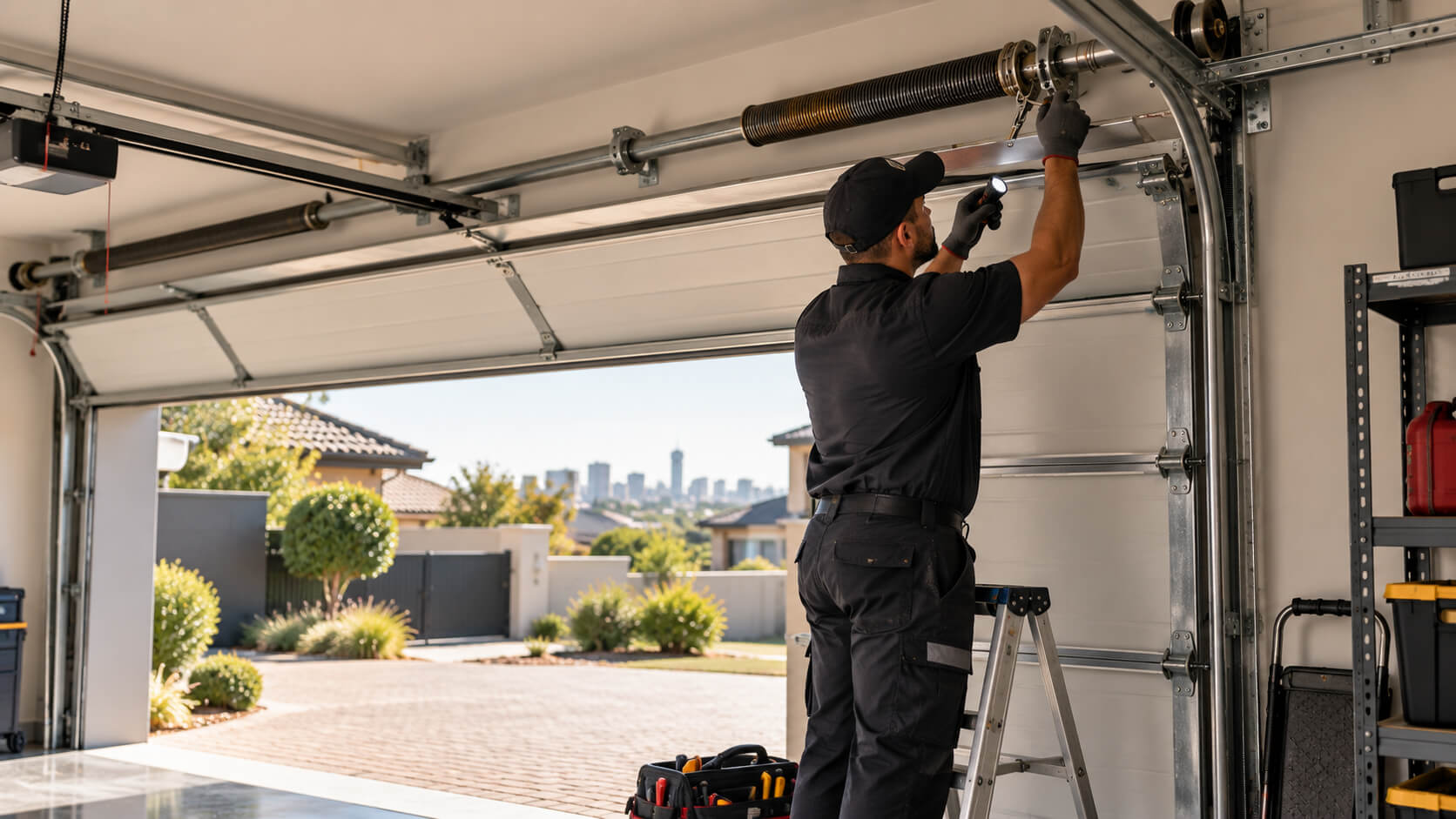
Garage Door Repairs: 7 Warning Signs Your Door Needs Attention
A garage door is one of the most-used moving parts of your home, opening and closing hundreds of times a year. When something goes wrong, it’s rarely just an inconvenience — it can also be a safety risk. This article walks through the most common warning signs that point to a need for garage door repairs, what usually causes them, and when it’s time to call in a professional rather than attempt a fix yourself.
Why Garage Door Problems Shouldn’t Be Ignored
A garage door typically weighs well over 100kg and is held under significant spring tension. A fault that seems minor — a slight grinding noise, a door that hesitates before closing — can quickly turn into a jammed door, a damaged motor, or a safety hazard for anyone nearby. Catching issues early through timely garage door repairs is almost always cheaper and safer than waiting for a full breakdown.
Common Signs You Need Garage Door Repairs
Most garage door faults give some warning before they fail completely. Look out for the following:
- Unusual noises: Grinding, squeaking, or banging sounds during operation usually point to worn rollers, loose hardware, or a track out of alignment.
- Slow or jerky movement: A door that opens or closes unevenly, stalls partway, or moves in fits and starts often signals a struggling motor or an unbalanced spring system.
- The door won’t open or close: This can be caused by a broken spring, a faulty motor, a dead remote battery, or a misaligned safety sensor.
- Visible sagging or gaps: If one side of the door sits lower than the other, or you notice daylight along the edges, the balance or tracks likely need adjustment.
- Slow response to the remote: Delayed or inconsistent response can indicate motor wear, interference, or a failing circuit board.
- Excessive vibration: Shaking or rattling during operation is often a sign of loose bolts, worn rollers, or track damage.
- Increased effort to open manually: If the door feels heavier than usual when operated by hand, a spring has likely lost tension or broken.
What Usually Causes These Problems
Broken or Worn Springs
Springs carry most of the door’s weight and are under constant tension. Over time, and especially after thousands of open-close cycles, they weaken or snap. A broken spring is one of the most common reasons homeowners across Johannesburg, Pretoria, and Centurion call for emergency repairs, since the door usually becomes unsafe to operate at all.
Stuck or Damaged Rollers
Rollers guide the door along its track. Dirt, rust, or general wear can cause them to stick, chip, or come off the track entirely, resulting in the jerky or noisy movement mentioned above. Left unattended, a stuck roller can force the door off its track completely.
Faulty Motors
The motor is what turns a manual chore into a one-button operation, but it’s also a common point of failure. Burnt-out capacitors, worn gears, or electrical faults can leave a motor unresponsive, slow, or noisy — often requiring a trained technician to diagnose correctly.
DIY Fixes vs Calling a Professional
Some minor maintenance — lubricating rollers and hinges, tightening visible bolts, or clearing debris from the track — is safe to do yourself. However, spring replacement, motor repairs, and track realignment involve high tension and electrical components that can cause serious injury if handled without the right tools and training.
A professional technician will also diagnose the root cause rather than just the symptom. A door that “sticks” might look like a track problem but actually stem from a failing spring, and treating the wrong part often leads to repeat call-outs and unnecessary cost.
Why Prompt Repairs Matter
A garage door is usually the largest, and heaviest, moving entry point into a home. Delaying repairs increases the risk of the door jamming shut, falling unexpectedly, or straining the motor to the point of failure. Prompt attention also protects the rest of the system — a worn roller left unaddressed, for example, can damage the track it runs on, turning a small fix into a bigger one.
Summary
Grinding noises, slow movement, sagging panels, and a door that won’t respond to the remote are all signs worth acting on quickly. Broken springs, worn rollers, and faulty motors are the most frequent culprits, and while basic maintenance can be done at home, tension-bearing and electrical components are best left to trained technicians.
If your garage door is showing any of these signs, don’t wait for it to fail completely. Our technicians provide fast, reliable garage door repairs across Johannesburg, Pretoria, Centurion, and the wider Gauteng region, any time, day or night. Call us on 079 376 6675, email info@garagedoorrepairs247.co.za, or visit our contact page to book a technician.